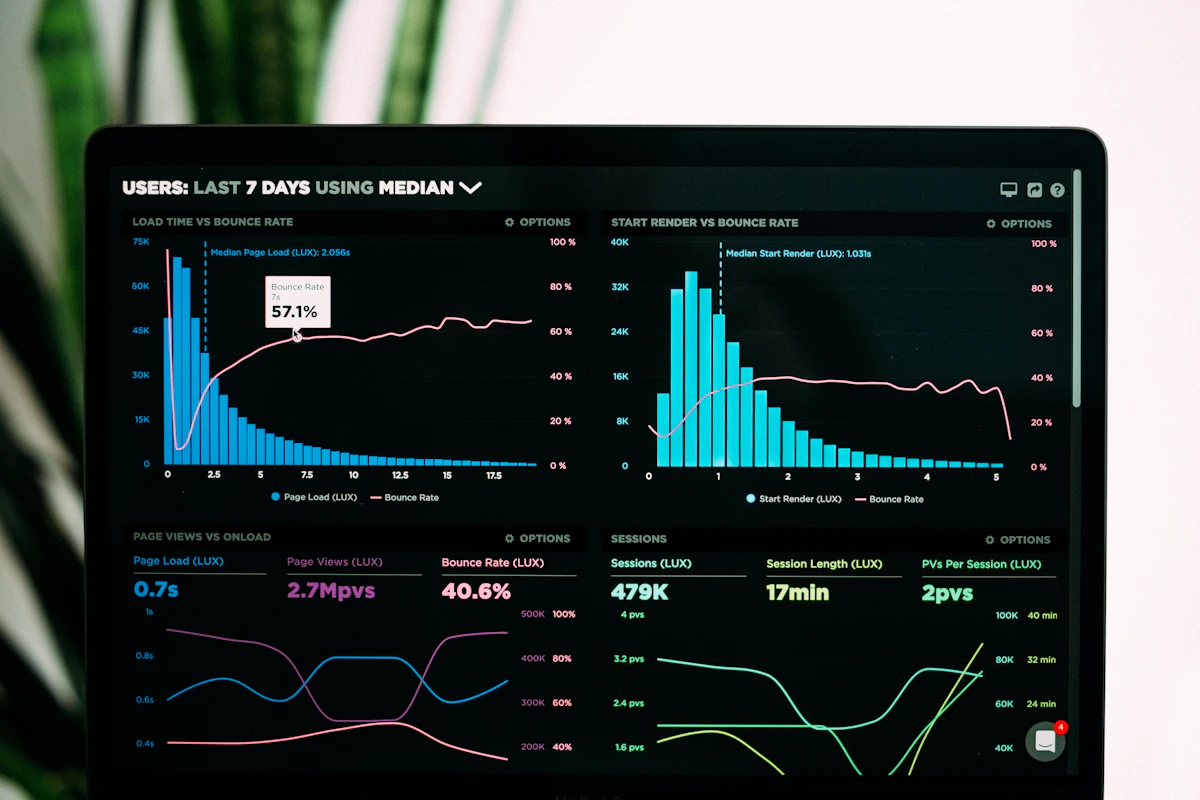
Data work is a natural fit for global remote hiring. The datasets live in the cloud, the tools are browser-based or cloud-hosted, and the output - insights, pipelines, models - is judged on quality rather than location. Companies increasingly hire data talent from anywhere because the skills are scarce and the work is fully location-independent.
This guide breaks down the main remote data roles, what they pay, and where to find remote data jobs with no location restriction.
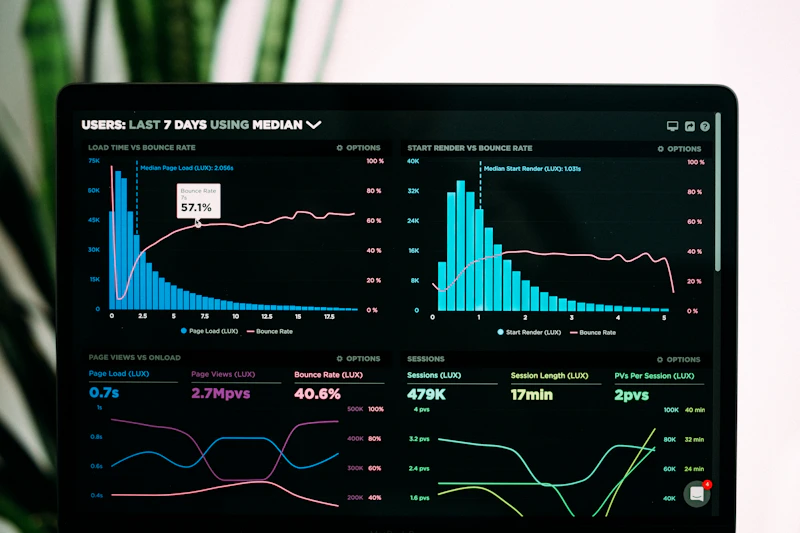
The Three Main Remote Data Roles
Data Analyst
Analysts turn raw data into insights that drive decisions. The work is SQL-heavy, involves building dashboards (Looker, Tableau, Power BI), and requires clear communication of findings. This is the most accessible entry point into remote data work and one of the highest-volume categories globally.
Data Engineer
Data engineers build and maintain the pipelines that move and transform data at scale. The role is technical and infrastructure-focused (dbt, Airflow, Spark, cloud warehouses), and demand is strong because clean data infrastructure underpins everything else. These roles tend to pay the most in the data category.
Data Scientist and ML
Data scientists build models and run experiments to answer harder questions or power product features. As machine learning demand has surged, companies hire scientists globally because the talent is scarce and the work is measurable.

What Remote Data Jobs Pay
Data engineering and machine learning roles are among the highest-paid remote positions, with senior roles at well-funded companies frequently in the $120,000 to $180,000 USD range regardless of location. Analyst roles typically start lower and scale with SQL depth, business impact, and domain expertise. Benchmark your specific role with the JobsHives salary calculator before you apply or negotiate.
Skills That Get You Hired
- SQL is non-negotiable. Every data role assumes strong SQL. It is the common language across analyst, engineer, and scientist work.
- A portfolio of real analysis. Public notebooks, dashboards, or write-ups of projects show how you think - critical when an employer cannot watch you work.
- Cloud tooling. Familiarity with cloud warehouses (BigQuery, Snowflake, Redshift) and modern data stack tools signals you can work in a real remote data team.
- Communication. The best data people translate numbers into decisions. In a remote team, that translation happens in writing, so clarity matters.
How to Find Remote Data Jobs With No Location Restriction
Data roles on general boards are often region-locked despite the remote label. Use a board that has already filtered for genuinely global roles.
Browse remote data jobs open to applicants worldwide on JobsHives - every data listing is verified to have no location restriction.
Keep your resume remote-ready, and if you know someone at a target company, a referral is the fastest way in. Data is one of the strongest categories for global remote work - the demand is high, the pay is strong, and the work travels anywhere you do.